GreenVET pathway
Online GreenVET Path
| ← close |
 |  |  | ||
Swap & Sustain: Giving Items a Second Life
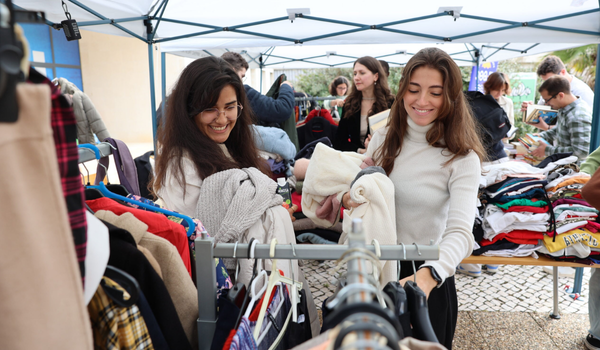
This best practice involves organizing regular swap events where students and staff exchange clothes, books, school supplies, and other usable items they no longer need. It promotes reuse, reduces waste, and encourages a circular mindset within the school community. By giving items a second life, the initiative fosters environmental responsibility and strengthens social connections on campus.Key People and Partners Involved
- School administration
- students and teachers
- local community members
Description of the practice
To implement a successful swap event in a VET school, begin by identifying a suitable time and accessible location"such as a common area, cafeteria, or multipurpose hall. Promote the event through posters, social media, announcements, and class visits, inviting students and staff to bring gently used clothes, books, school supplies, or household items. Provide clear guidelines on what types of items are accepted and encourage participants to bring clean, functional goods. Organize collection bins or donation days in advance to sort and display the items attractively during the event.On the day of the event, create an open, welcoming environment where participants can browse and exchange items freely or through a simple token system. Volunteers or student clubs can help manage the event, explain the rules, and share information about sustainability and the circular economy. Any leftover items can be donated to local charities or used for future events, ensuring nothing goes to waste. Incorporating educational materials or mini-workshops on sustainable consumption can deepen the learning experience.
The outcomes of this practice are both environmental and social. The event reduces waste, lowers demand for new items, and cuts carbon emissions associated with production and disposal. It also fosters a culture of sharing, cooperation, and environmental responsibility within the school. Participants become more aware of their consumption habits and are empowered to make sustainable choices in everyday life, reinforcing key green competences promoted in vocational education.
Where it’s being implemented
This link might not lead to content in English language. Use your browser's translate function or automatic captions to explore this resource.- University of Algarve - Second Life Initiative (Portugal): UAlg collected unwanted clothes, books, shoes, and more using campus drop"boxes before hosting a reuse fair. Nearly all donated items were taken by students and staff, reducing waste and raising sustainability awareness.
https://sea-eu.org/sea-eu-goges-greener-second-life-initiative-at-the-university-of-algarve - UWC Maastricht – Student-led Swap Shop (Netherlands): Monthly evening swap shop events allow the school community to exchange clothes, stationery, and other items for €1 or via tokens. Unsold items are donated to local charities, reinforcing both circularity and social impact.
https://www.uwc-sustainability.org/activities/the-swap-shop-at-uwc-maastricht - Tallinn University - Green Week Clothing Exchange (Estonia): As part of their Green Week, Tallinn University hosts "SWISH" clothing swaps with keynote talks and interactive activities, encouraging students and staff to give unused items a new life.
https://www.tlu.ee/en/events/clothes-sawp-event-tallinn-university-swish
Impact and Results
- Waste Reduction: Schools can divert dozens or even hundreds of items from landfill each year by promoting reuse.
- Lower Environmental Impact: Reducing demand for new products helps decrease associated carbon emissions, water use, and resource extraction.
- Cost Savings for Students: Students access needed items—clothes, books, supplies—without spending money, easing financial pressure.
- Increased Environmental Awareness: Participants gain firsthand experience with circular economy principles and sustainable consumption.
- Stronger Community Bonds: Swap events encourage social interaction, collaboration, and a sense of shared purpose across the school community.
Implementation Tips and Insights
- Start Small and Simple: Pilot the event with one item category (e.g., clothes or books) before expanding to others.
- Set Clear Guidelines: Provide clear rules about the condition, type, and quantity of accepted items to maintain quality and avoid waste.
- Involve Students in Planning: Engage student groups or eco-clubs to help organize, promote, and run the event"they"ll bring energy and ownership.
- Promote Widely: Use posters, emails, social media, and word of mouth to spread the word and encourage participation from all departments.
- Create a Welcoming Setup: Use tables, signs, and labels to display items attractively and make browsing easy and fun.
Useful Links and Resources
This link might not lead to content in English language. Use your browser's translate function or automatic captions to explore this resource. This resource offers a step‑by‑step plan to organize a swap event, covering everything from promotion and logistics to sustainability education and community engagement. It emphasizes how swaps can reduce waste and foster creativity and collaboration among studentshttps://www.votesforschools.com/blog/sustainability-in-schools/"utm_source=chatgpt.com



- © 2023 GreenVET | handcrafted & powered with love by GreenVET Team